Newsroom
MINEMA and IOM Strengthen National Capacity in Evacuation Site Management
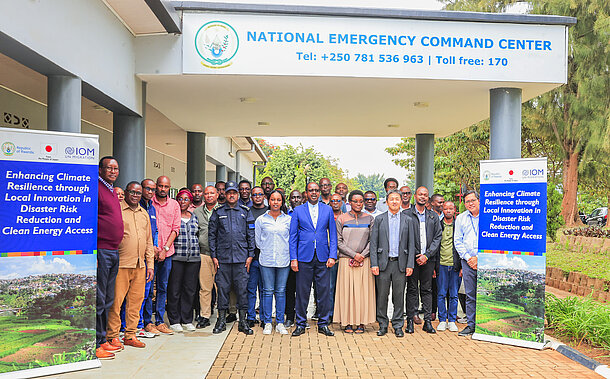
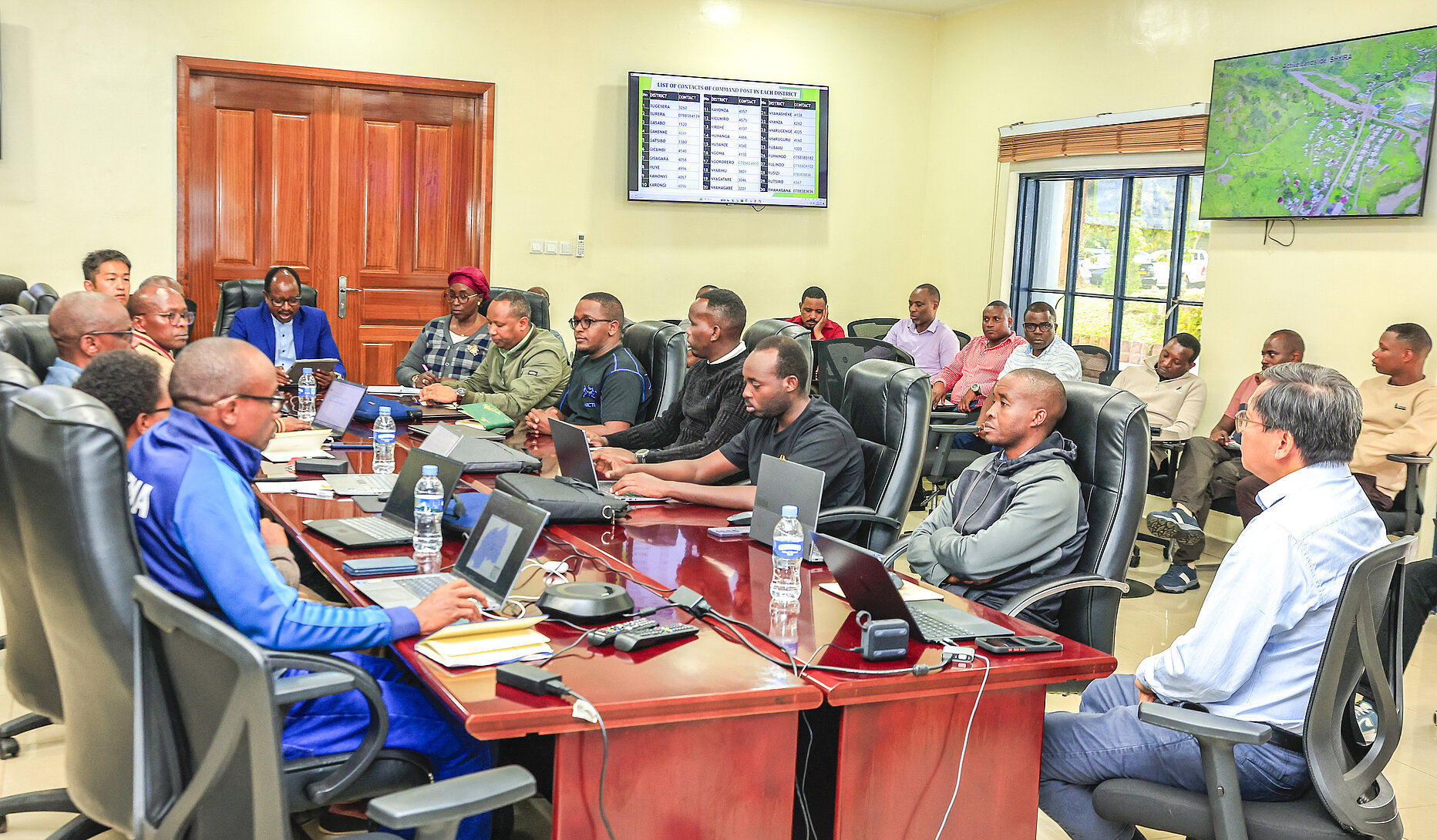
The Ministry in charge of Emergency Management (MINEMA), in partnership with the International Organization for Migration (IOM), has conducted a training on Evacuation Site Management for MINEMA staff and members of the National Command Post to strengthen national preparedness and operational readiness for emergencies requiring the temporary evacuation of communities.
The training was officially opened by ACP Egide Mugwiza, Director General of Response and Recovery Operations at MINEMA. It focused on strengthening participants’ understanding of the Evacuation Site Management Standard Operating Procedures (SOPs), coordination structures and practical arrangements required to establish, operate and close evacuation sites.
Rwanda is exposed to natural hazards, particularly floods and landslides, which can necessitate the temporary evacuation and accommodation of people at risk. Effective evacuation site management is therefore essential to ensuring that affected communities have access to safe, organized and dignified temporary accommodation.
In his remarks, ACP Mugwiza emphasized the importance of preparedness, clear leadership and coordinated action in managing evacuation sites, noting that the effectiveness of emergency response depends on the capacity to put operational arrangements in place before disasters occur.
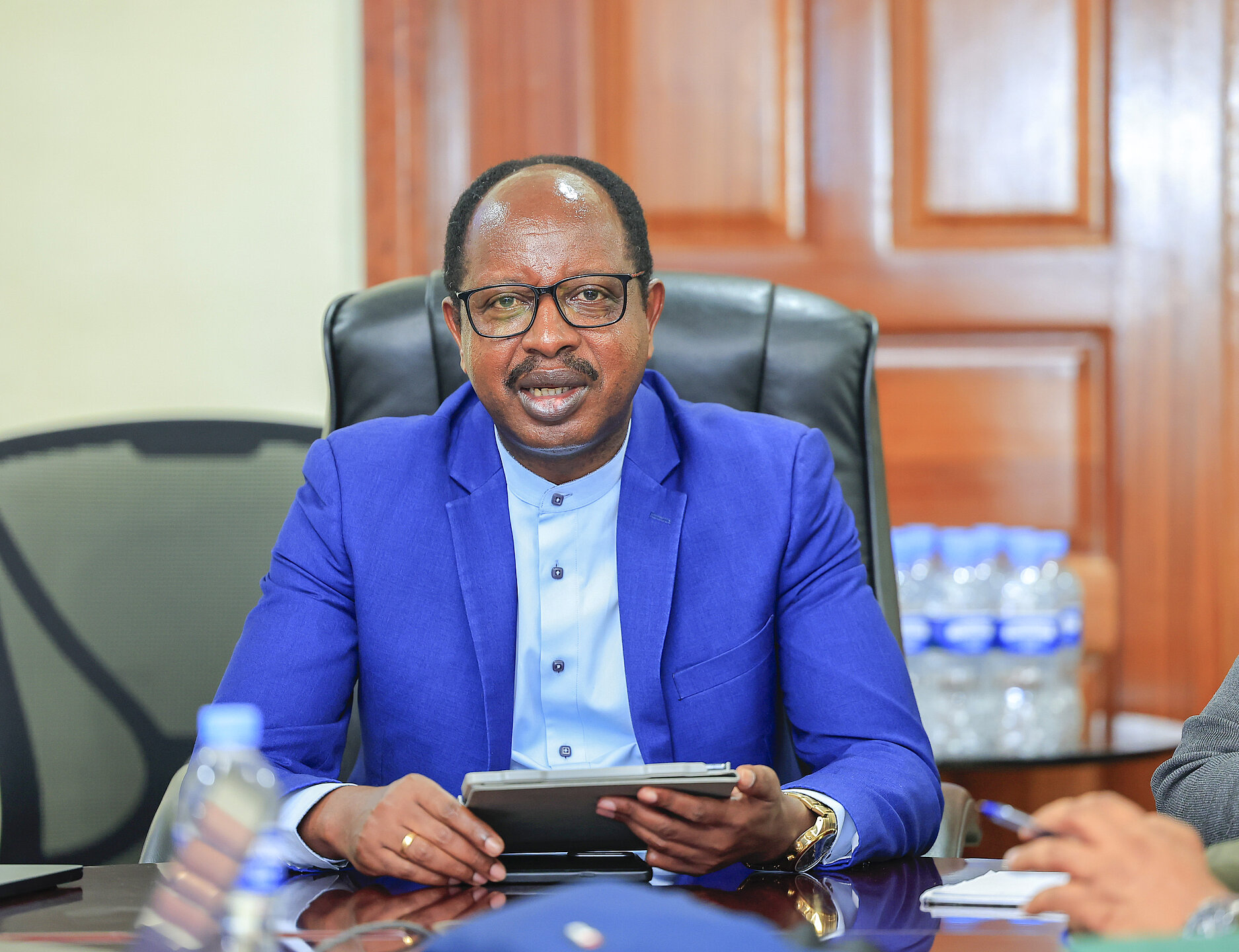
“Evacuation site management requires clear roles and responsibilities, effective communication and coordinated decision-making. These arrangements must be tested and strengthened before an emergency occurs to ensure that we can establish and manage evacuation sites efficiently and provide safe and dignified conditions for affected communities,” he said.
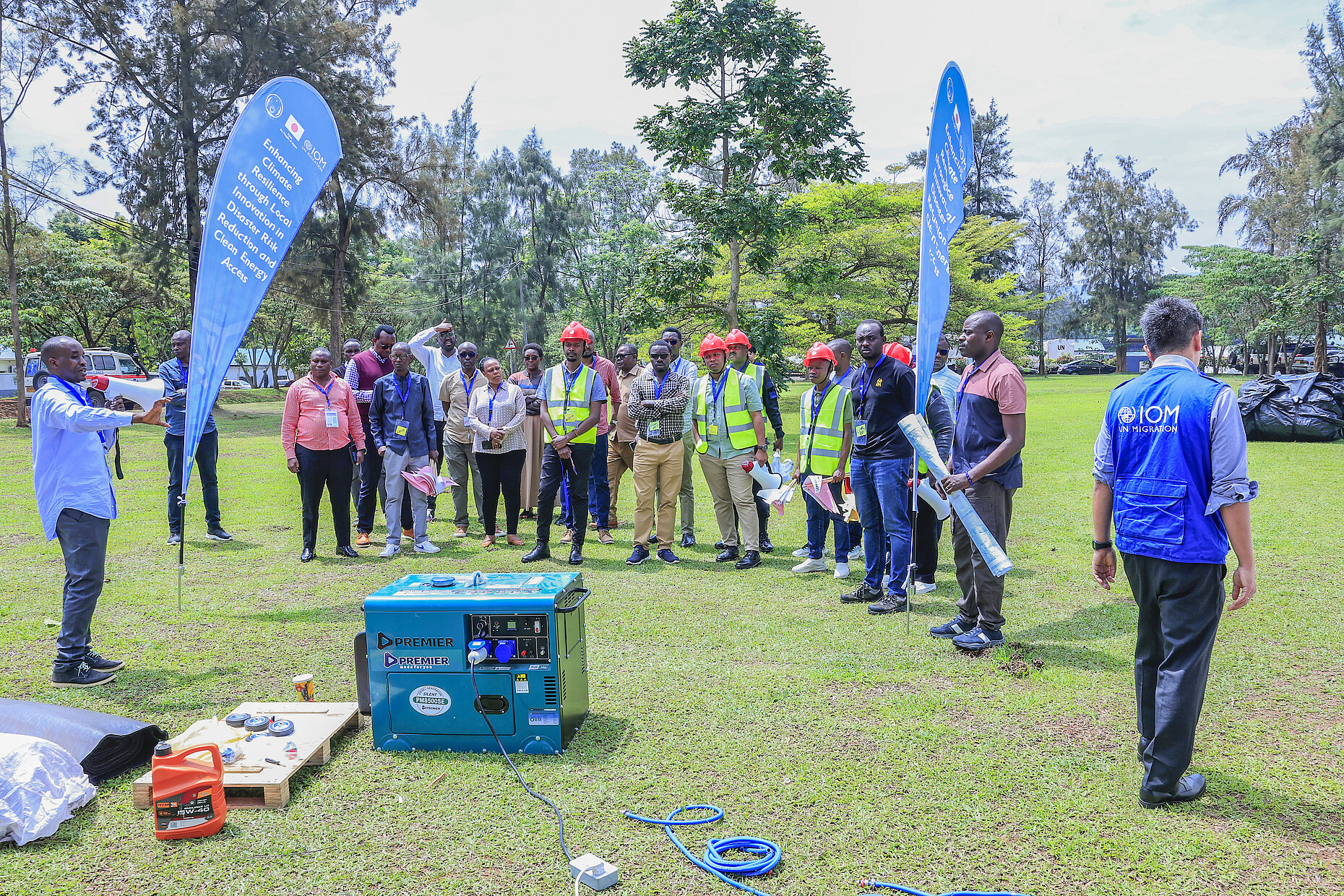
The training combined technical sessions on the Evacuation Site Management SOPs and the Ten Operational Steps with practical exercises. Participants undertook site-layout planning, installed temporary tents, established a functional Command Post and simulated initial site management activities, including reception and registration arrangements.
The simulation also provided an opportunity to assess operational readiness and identify gaps related to equipment, staffing, communication, logistics and coordination that require attention to improve preparedness.
Takashi Ujikawa, IOM Rwanda Project Manager, highlighted the importance of ensuring that evacuation sites are properly organized to protect the safety and dignity of everyone accommodated there, particularly women, children, older persons and persons with disabilities.
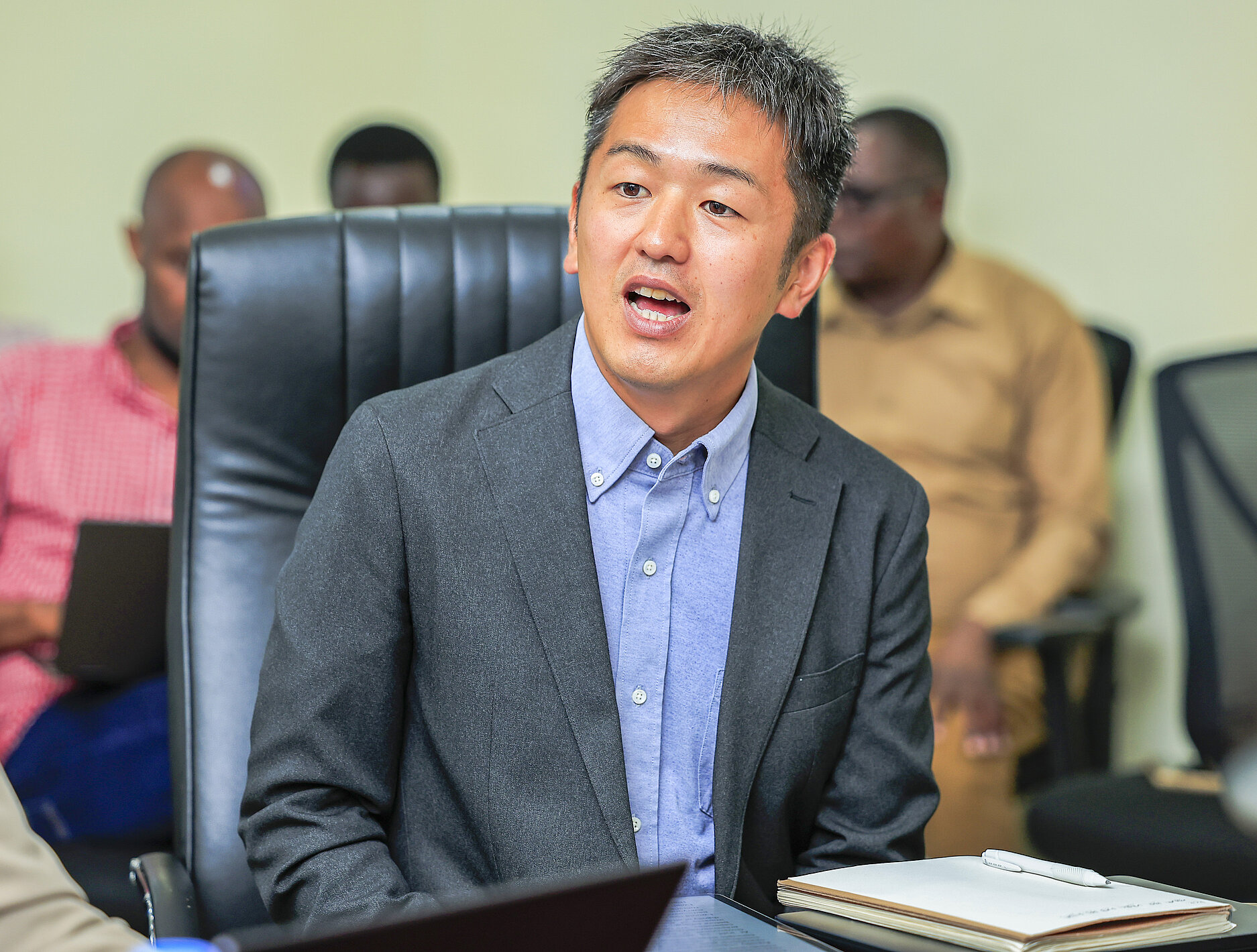
“An evacuation site is not simply a place where people gather for temporary shelter. It must be properly organized and managed to ensure the safety, protection and well-being of everyone accommodated there. Investing in preparedness before emergencies occur is essential to reducing the impacts of disasters and protecting the lives and dignity of affected communities,” he said.
The training forms part of ongoing collaboration between MINEMA and IOM to strengthen Rwanda’s disaster preparedness, risk reduction and emergency response capacities.
MINEMA and IOM Strengthen National Capacity in Evacuation Site Management
The Ministry in charge of Emergency Management (MINEMA), in partnership with the International Organization for Migration (IOM), has conducted a training on Evacuation Site Management for MINEMA staff and members of the National Command Post to strengthen national preparedness and operational readiness for emergencies requiring the temporary evacuation of communities.
The training was officially opened by ACP Egide Mugwiza, Director General of Response and Recovery Operations at MINEMA. It focused on strengthening participants’ understanding of the Evacuation Site Management Standard Operating Procedures (SOPs), coordination structures and practical arrangements required to establish, operate and close evacuation sites.
Rwanda is exposed to natural hazards, particularly floods and landslides, which can necessitate the temporary evacuation and accommodation of people at risk. Effective evacuation site management is therefore essential to ensuring that affected communities have access to safe, organized and dignified temporary accommodation.
In his remarks, ACP Mugwiza emphasized the importance of preparedness, clear leadership and coordinated action in managing evacuation sites, noting that the effectiveness of emergency response depends on the capacity to put operational arrangements in place before disasters occur.
“Evacuation site management requires clear roles and responsibilities, effective communication and coordinated decision-making. These arrangements must be tested and strengthened before an emergency occurs to ensure that we can establish and manage evacuation sites efficiently and provide safe and dignified conditions for affected communities,” he said.
The training combined technical sessions on the Evacuation Site Management SOPs and the Ten Operational Steps with practical exercises. Participants undertook site-layout planning, installed temporary tents, established a functional Command Post and simulated initial site management activities, including reception and registration arrangements.
The simulation also provided an opportunity to assess operational readiness and identify gaps related to equipment, staffing, communication, logistics and coordination that require attention to improve preparedness.
Takashi Ujikawa, IOM Rwanda Project Manager, highlighted the importance of ensuring that evacuation sites are properly organized to protect the safety and dignity of everyone accommodated there, particularly women, children, older persons and persons with disabilities.
“An evacuation site is not simply a place where people gather for temporary shelter. It must be properly organized and managed to ensure the safety, protection and well-being of everyone accommodated there. Investing in preparedness before emergencies occur is essential to reducing the impacts of disasters and protecting the lives and dignity of affected communities,” he said.
The training forms part of ongoing collaboration between MINEMA and IOM to strengthen Rwanda’s disaster preparedness, risk reduction and emergency response capacities.