Newsroom
MINEMA and UNHCR Discuss Priorities for Refugee Protection, Inclusion and Durable Solutions
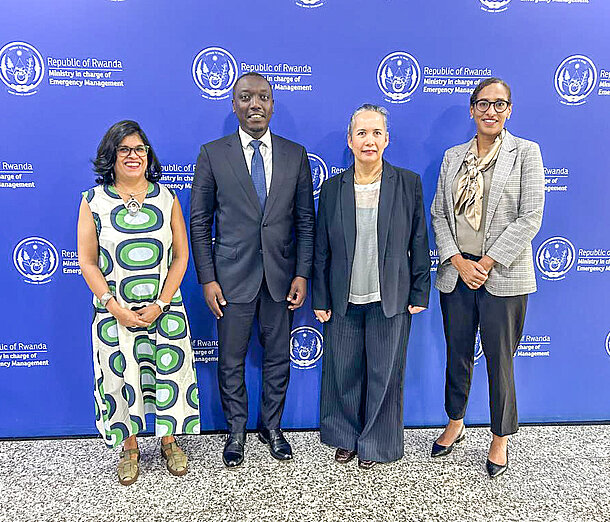
Rwanda’s Ministry in charge of Emergency Management (MINEMA), together with representatives from the Ministry of Justice (MINIJUST) and the Directorate General of Immigration and Emigration (DGIE), on 19 November 2026 received Ms. Elizabeth Tan, Director of the Division of International Protection and Solutions (DIPS) at UNHCR Headquarters in Geneva, accompanied by UNHCR Rwanda Representative Ms. Ritu Shroff.
The courtesy meeting, held at MINEMA headquarters in Kigali, reviewed Rwanda’s progress in refugee protection and management, discussed operational challenges and explored priorities for strengthening refugee inclusion and regional cooperation in refugee management. The discussions also reaffirmed the commitment to continued advocacy for unmet needs and durable solutions.
The meeting took place on the sidelines of the two-day Continental Convening on the African Union Protocol on the Right to a Nationality and the Eradication of Statelessness, held at Kigali Marriott Hotel.
Rwanda currently hosts approximately 140,750 refugees and asylum-seekers, mainly from the Democratic Republic of the Congo and Burundi, across refugee camps, transit centres and urban areas. The Government continues to advance policies and initiatives aimed at strengthening refugee protection, access to national services, self-reliance and socio-economic inclusion.
During the meeting, the Permanent Secretary of MINEMA, Mr. NGOGA Aristarque, reaffirmed Rwanda’s commitment to refugee protection and the implementation of international and regional frameworks, including the Global Compact on Refugees, the Comprehensive Refugee Response Framework and the national Sustainable Refugee Inclusion Strategy.
He highlighted the importance of strengthening refugee inclusion in national systems, promoting livelihoods and self-reliance, and reducing long-term dependence on humanitarian assistance, while acknowledging challenges associated with protracted displacement, funding constraints, pressure on host-community resources and limited employment opportunities.
“Rwanda remains committed to protecting refugees and promoting their inclusion in our communities. However, addressing the challenges associated with prolonged displacement requires sustained international solidarity, stronger partnerships and increased investment in livelihoods and self-reliance. We also believe that voluntary repatriation, where conditions permit, remains an important durable solution,” said Mr. NGOGA.
The UNHCR delegation commended Rwanda for its continued commitment to refugee protection and management, including its hosting of the Continental Convening on the African Union Protocol on the Right to a Nationality and the Eradication of Statelessness.
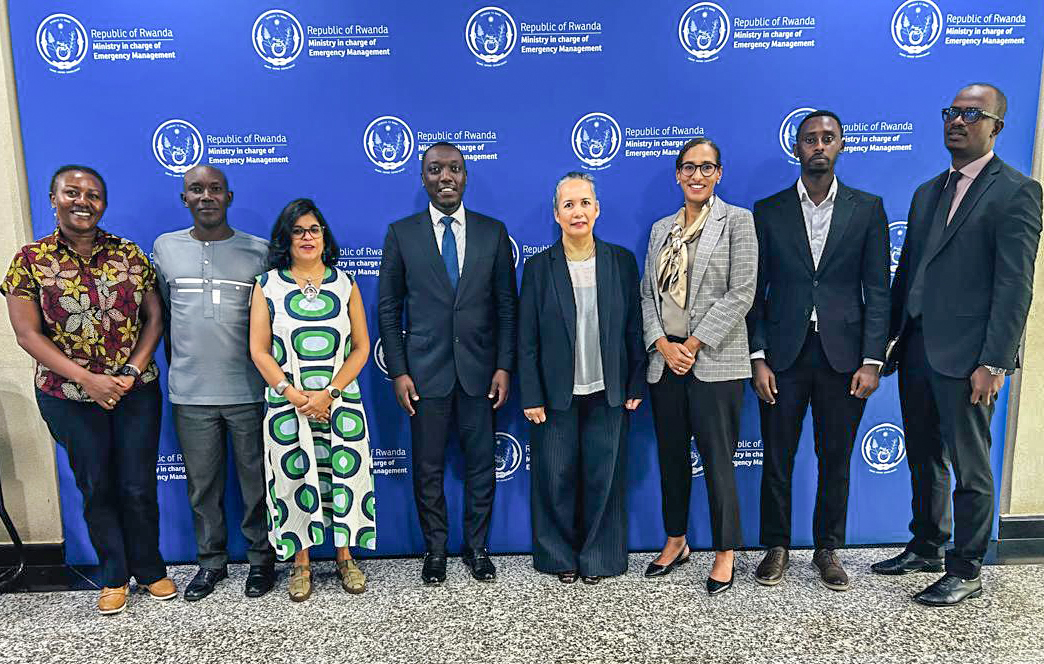
Ms. Elizabeth Tan highlighted the importance of continued collaboration between UNHCR and the Government of Rwanda in strengthening protection systems, advancing durable solutions and addressing emerging refugee-related challenges.
The discussions also covered several priority areas for continued engagement, including the ratification of the African Union Protocol on the Right to a Nationality, participation in regional and international refugee-related forums, reintegration support for Rwandan nationals returning from the Democratic Republic of the Congo, protection arrangements for asylum-seekers whose applications are unsuccessful, and support for the sustainable reintegration of Burundian returnees.
UNHCR also welcomed the commencement of the Appeal Tribunal’s operations and reaffirmed its commitment to providing technical support to strengthen Rwanda’s refugee protection framework. UNHCR Representative in Rwanda, Ms. Ritu Shroff, reaffirmed the organisation’s commitment to working closely with the Government and other partners to support refugee protection, inclusion and durable solutions.
The Government of Rwanda’s side also called for continued UNHCR engagement with countries of origin to facilitate the resumption and commencement of voluntary repatriation arrangements for refugees from Burundi and the Democratic Republic of the Congo, in line with existing tripartite frameworks. The Permanent Secretary noted that prevailing political and security challenges in the region continue to affect the implementation of these arrangements, underscoring the need for sustained humanitarian diplomacy and dialogue.
MINEMA and UNHCR Discuss Priorities for Refugee Protection, Inclusion and Durable Solutions
Rwanda’s Ministry in charge of Emergency Management (MINEMA), together with representatives from the Ministry of Justice (MINIJUST) and the Directorate General of Immigration and Emigration (DGIE), on 19 November 2026 received Ms. Elizabeth Tan, Director of the Division of International Protection and Solutions (DIPS) at UNHCR Headquarters in Geneva, accompanied by UNHCR Rwanda Representative Ms. Ritu Shroff.
The courtesy meeting, held at MINEMA headquarters in Kigali, reviewed Rwanda’s progress in refugee protection and management, discussed operational challenges and explored priorities for strengthening refugee inclusion and regional cooperation in refugee management. The discussions also reaffirmed the commitment to continued advocacy for unmet needs and durable solutions.
The meeting took place on the sidelines of the two-day Continental Convening on the African Union Protocol on the Right to a Nationality and the Eradication of Statelessness, held at Kigali Marriott Hotel.
Rwanda currently hosts approximately 140,750 refugees and asylum-seekers, mainly from the Democratic Republic of the Congo and Burundi, across refugee camps, transit centres and urban areas. The Government continues to advance policies and initiatives aimed at strengthening refugee protection, access to national services, self-reliance and socio-economic inclusion.
During the meeting, the Permanent Secretary of MINEMA, Mr. NGOGA Aristarque, reaffirmed Rwanda’s commitment to refugee protection and the implementation of international and regional frameworks, including the Global Compact on Refugees, the Comprehensive Refugee Response Framework and the national Sustainable Refugee Inclusion Strategy.
He highlighted the importance of strengthening refugee inclusion in national systems, promoting livelihoods and self-reliance, and reducing long-term dependence on humanitarian assistance, while acknowledging challenges associated with protracted displacement, funding constraints, pressure on host-community resources and limited employment opportunities.
“Rwanda remains committed to protecting refugees and promoting their inclusion in our communities. However, addressing the challenges associated with prolonged displacement requires sustained international solidarity, stronger partnerships and increased investment in livelihoods and self-reliance. We also believe that voluntary repatriation, where conditions permit, remains an important durable solution,” said Mr. NGOGA.
The UNHCR delegation commended Rwanda for its continued commitment to refugee protection and management, including its hosting of the Continental Convening on the African Union Protocol on the Right to a Nationality and the Eradication of Statelessness.
Ms. Elizabeth Tan highlighted the importance of continued collaboration between UNHCR and the Government of Rwanda in strengthening protection systems, advancing durable solutions and addressing emerging refugee-related challenges.
The discussions also covered several priority areas for continued engagement, including the ratification of the African Union Protocol on the Right to a Nationality, participation in regional and international refugee-related forums, reintegration support for Rwandan nationals returning from the Democratic Republic of the Congo, protection arrangements for asylum-seekers whose applications are unsuccessful, and support for the sustainable reintegration of Burundian returnees.
UNHCR also welcomed the commencement of the Appeal Tribunal’s operations and reaffirmed its commitment to providing technical support to strengthen Rwanda’s refugee protection framework. UNHCR Representative in Rwanda, Ms. Ritu Shroff, reaffirmed the organisation’s commitment to working closely with the Government and other partners to support refugee protection, inclusion and durable solutions.
The Government of Rwanda’s side also called for continued UNHCR engagement with countries of origin to facilitate the resumption and commencement of voluntary repatriation arrangements for refugees from Burundi and the Democratic Republic of the Congo, in line with existing tripartite frameworks. The Permanent Secretary noted that prevailing political and security challenges in the region continue to affect the implementation of these arrangements, underscoring the need for sustained humanitarian diplomacy and dialogue.