Newsroom
Rwanda Hands Over 870 Houses to Families Affected by 2023 Disasters
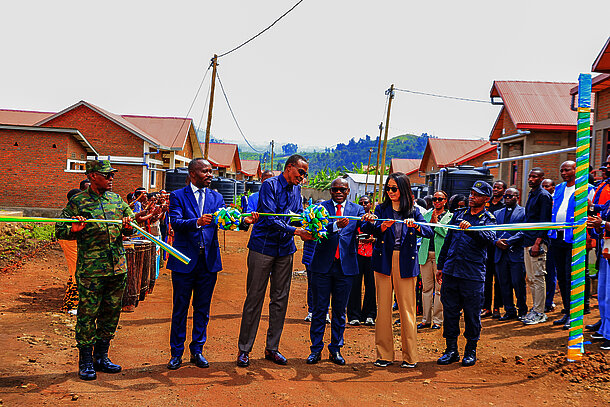
Rubavu, 22 October 2026 — The Ministry in charge of Emergency Management (MINEMA) has handed over 870 houses to households affected by the May 2023 floods and landslides in Rubavu District, marking a significant step in the country’s efforts to support disaster recovery and build resilient communities.
The handover took place in Rugerero Sector during the celebration of the International Day for Disaster Risk Reduction 2026, held under the theme “Resilience Starts at Home.” Minister in charge of Emergency Management, Maj. Gen. (Rtd) Albert Murasira, attended the event alongside Western Province Governor, Rubavu District Mayor, representatives of security organs, United Nations agencies, development partners and community members.
The May 2023 disasters caused loss of life, injuries, destruction of homes and damage to livelihoods, particularly in Rwanda’s Western and Northern provinces. The Government subsequently supported affected households through housing reconstruction and rehabilitation, working with partners, including the World Bank.
Speaking at the ceremony, Minister Murasira urged beneficiaries to take good care of their new homes and protect the surrounding environment, emphasizing that the houses should serve as a foundation for lasting family development.
“These houses are not just buildings; they are a new foundation for rebuilding your lives and developing your families. Take good care of them, maintain their cleanliness and work with your local leaders to protect infrastructure and the environment so that your community remains safe,” he said.
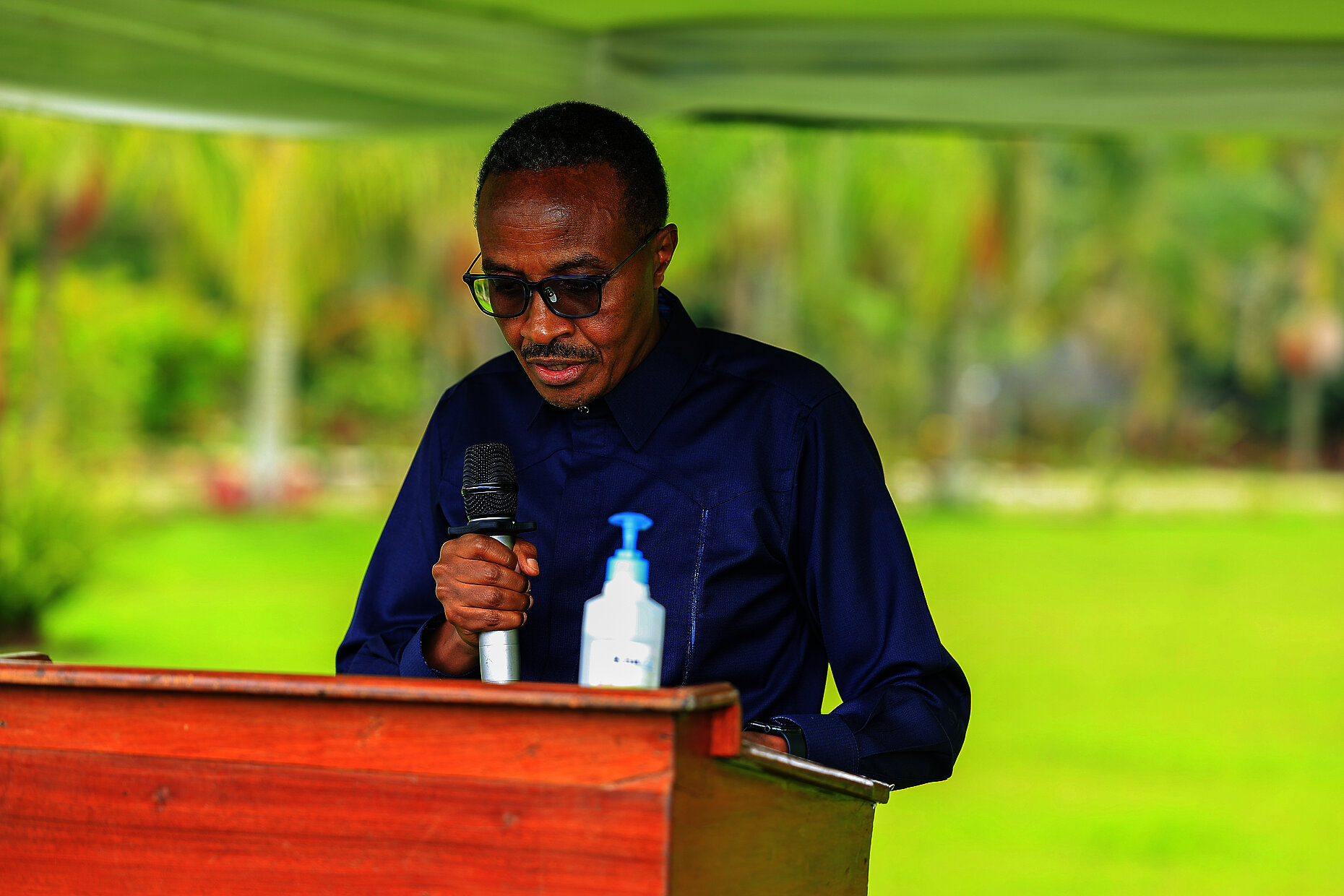
The Minister also called on communities to strengthen disaster prevention and preparedness, urging residents to understand the risks in their surroundings and act on early warning messages issued by the relevant authorities.
He emphasized that disaster risk reduction requires collective responsibility, noting that while rebuilding homes after a disaster is essential, preventing future losses of life and property is even more important.
Kaori Ura, WFP Rwanda Deputy Country Director, speaking on behalf of the United Nations Resident Coordinator and the UN family in Rwanda, commended the Government of Rwanda for restoring safe housing and dignity to disaster-affected communities.
“Recovery is not simply about replacing what was lost. It is about ensuring that families and communities emerge safer, stronger and better prepared for the future,” she said.
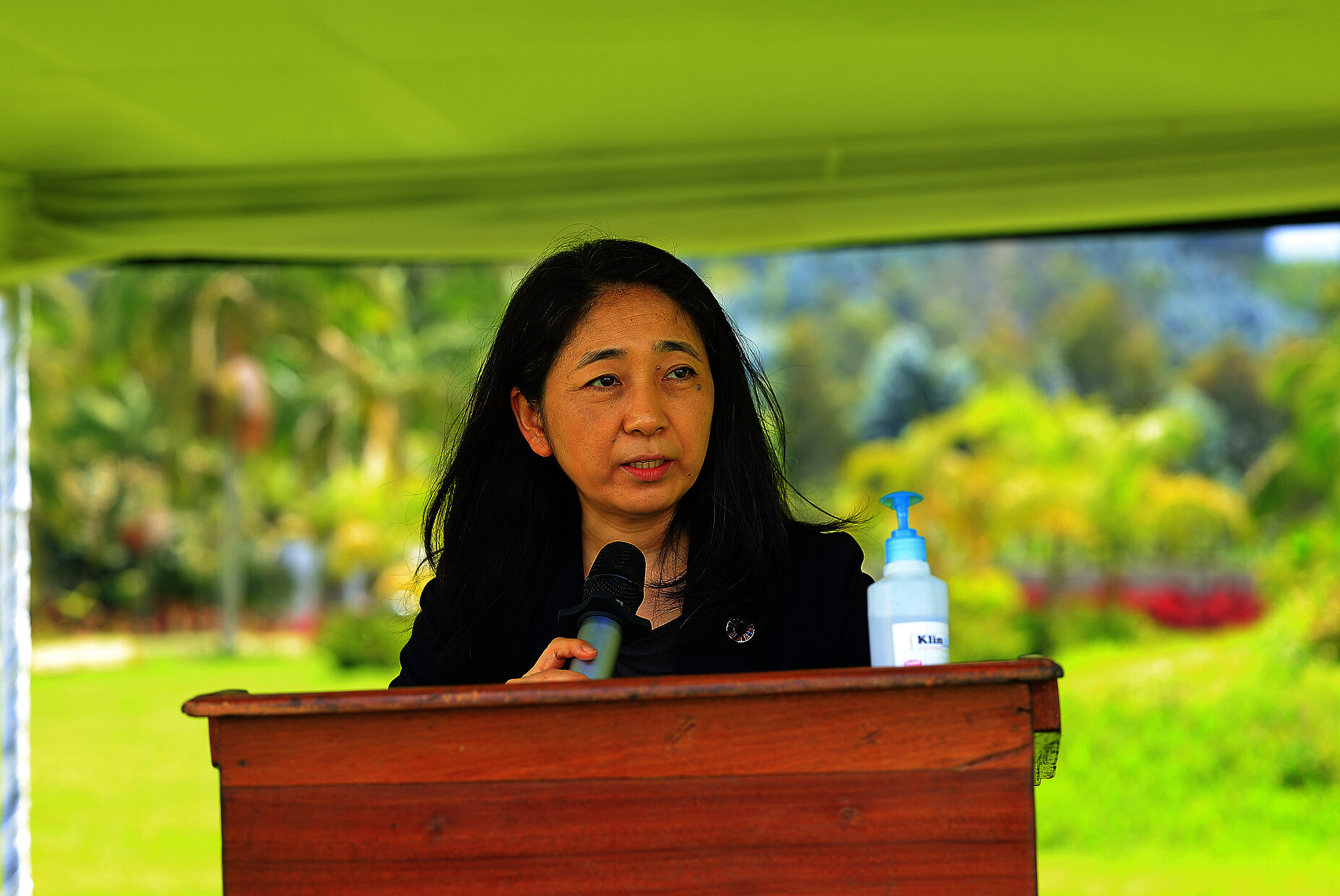
Ura noted that the handover represents more than the provision of physical structures, as it gives families renewed opportunities to regain security, stability and hope. She also stressed the importance of investing in disaster prevention, accessible early warning systems and community preparedness to reduce the impacts of future hazards.
She called for stronger integration of disaster risk considerations into housing, infrastructure and local development planning, emphasizing that resilience must be measured not only by what is rebuilt after a disaster, but also by the lives protected and losses prevented.
Rubavu District Mayor, Prosper Mulindwa, said the houses were part of the Government’s response to the suffering experienced by residents following the May 2023 disasters, which claimed lives, injured people and destroyed homes, some completely and others partially.
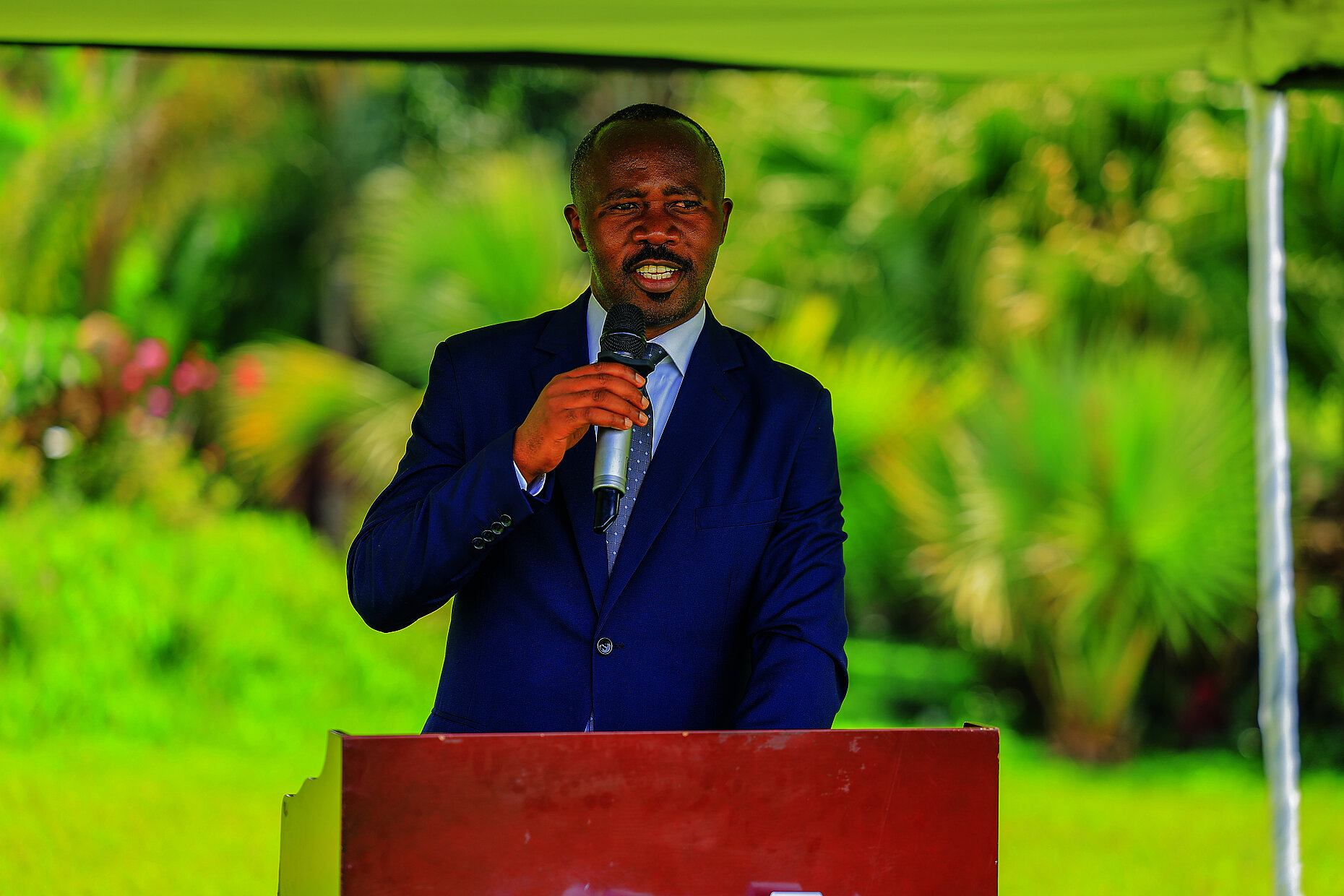
He noted that the 870 households receiving houses at the ceremony were among those still awaiting permanent housing solutions, and commended the Government for prioritizing citizens’ welfare and ensuring that affected families receive support to rebuild their lives.
For beneficiaries like Marie Claire Ndererimana, a 43-year-old mother of eight who lost her home in the 2023 disaster, the new house marks a turning point after years of displacement.
“We used to live in very poor and unsafe conditions after losing our house,” she said. “This new home is cemented, strong, and safe. I am deeply grateful to the leadership of our country for restoring our dignity.”
Another beneficiary, Winifried Uwimana, expressed gratitude to President Paul Kagame for fulfilling his commitment to support families affected by the disasters.
“We are very grateful to our President, Paul Kagame, who thinks about us day and night. After the 2023 disasters, he visited us and promised that we would receive support. A few months later, construction of the houses began, and they have now been handed over to us with basic household equipment. No disaster-affected family in Rubavu has been left without shelter, and we are deeply grateful,” she said.
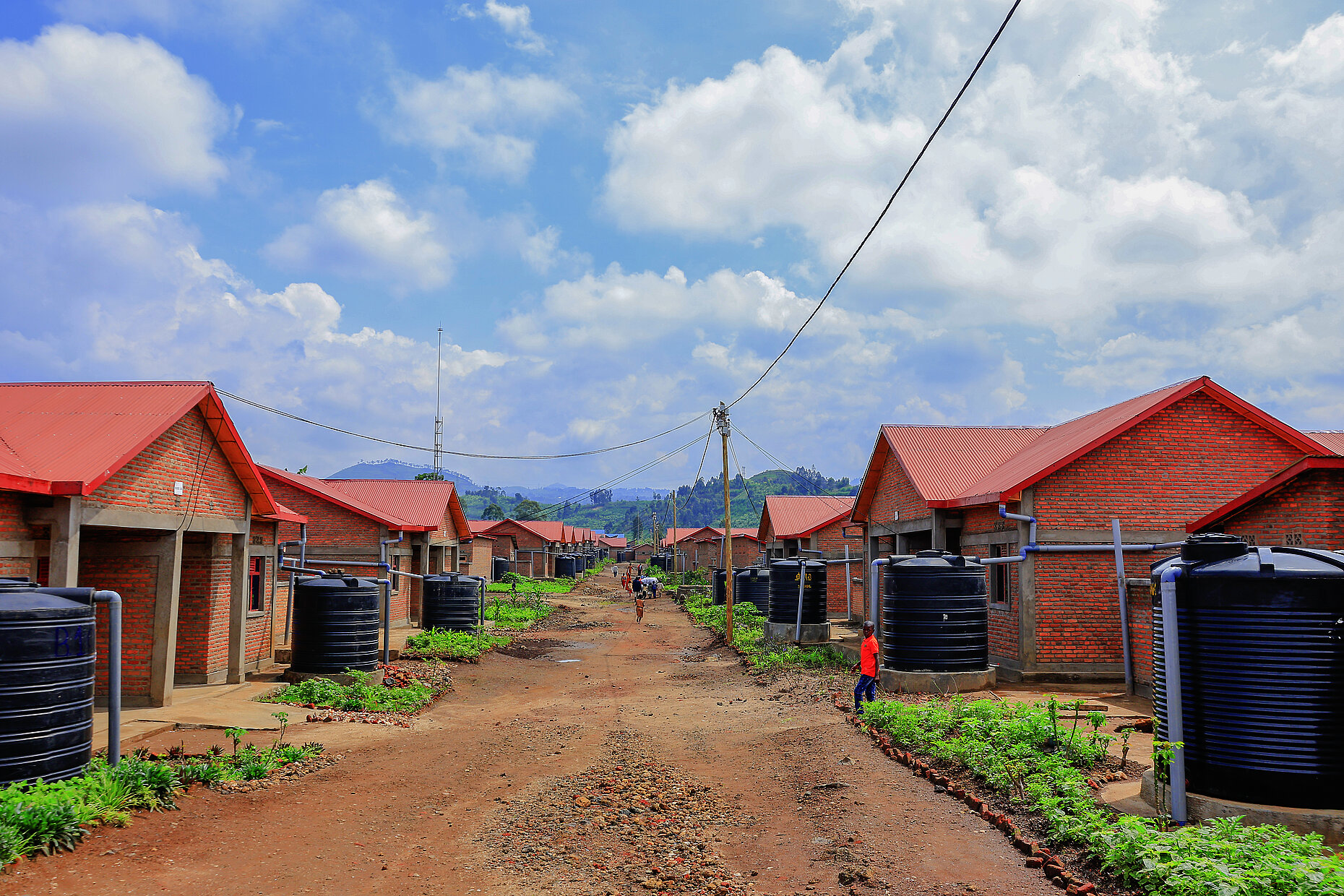
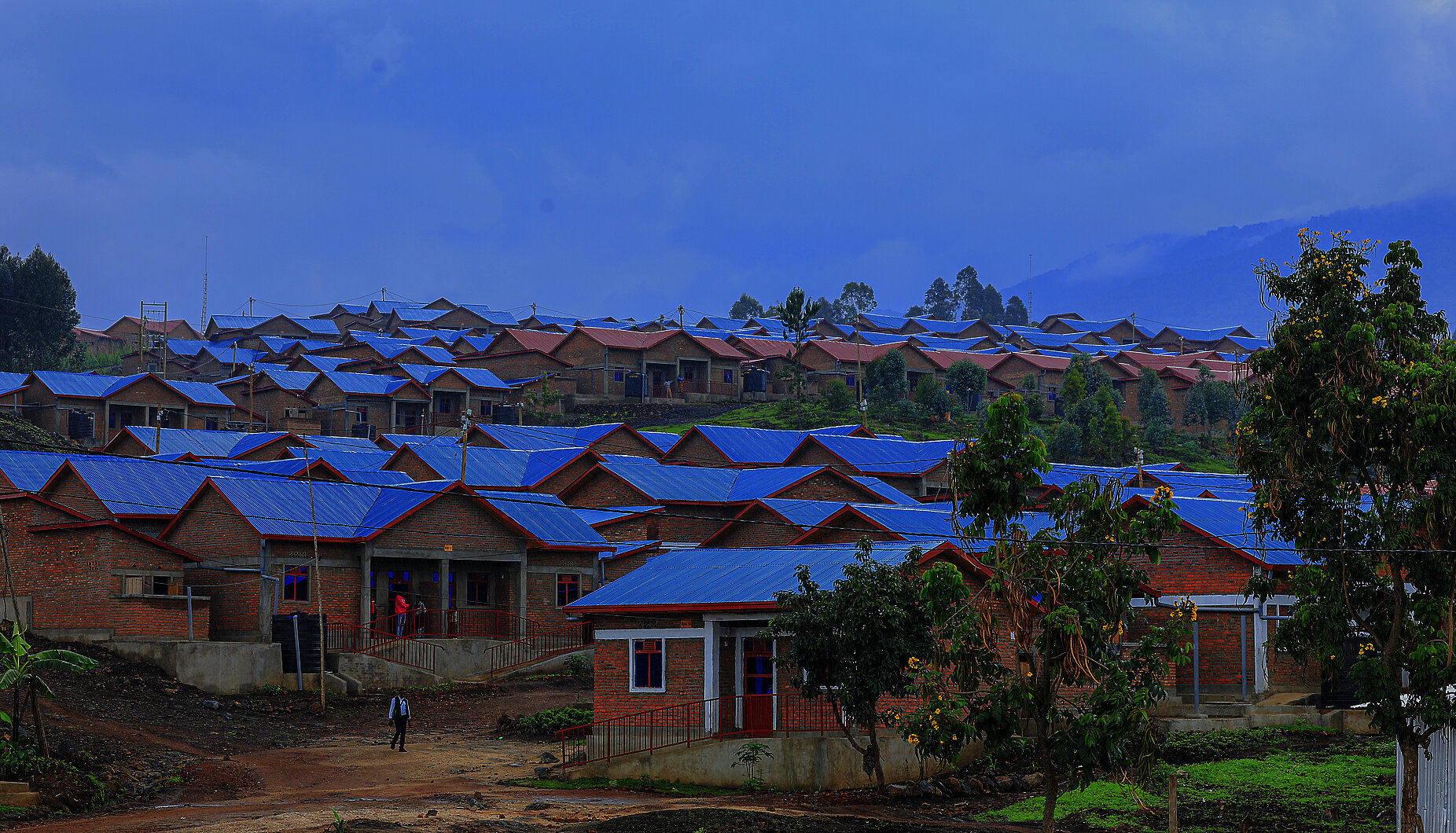
The handover underscores the importance of coordinated action between the Government, development partners and communities in ensuring that disaster recovery delivers lasting benefits. It also reflects the message of this year’s International Day for Disaster Risk Reduction: resilience begins at home and requires households and communities to take practical steps to protect lives, property and the environment.
Through continued investment in resilient housing, preparedness and early warning systems, Rwanda aims to reduce disaster risks while strengthening the capacity of communities to withstand and recover from future emergencies.
Rwanda Hands Over 870 Houses to Families Affected by 2023 Disasters
Rubavu, 22 October 2026 — The Ministry in charge of Emergency Management (MINEMA) has handed over 870 houses to households affected by the May 2023 floods and landslides in Rubavu District, marking a significant step in the country’s efforts to support disaster recovery and build resilient communities.
The handover took place in Rugerero Sector during the celebration of the International Day for Disaster Risk Reduction 2026, held under the theme “Resilience Starts at Home.” Minister in charge of Emergency Management, Maj. Gen. (Rtd) Albert Murasira, attended the event alongside Western Province Governor, Rubavu District Mayor, representatives of security organs, United Nations agencies, development partners and community members.
The May 2023 disasters caused loss of life, injuries, destruction of homes and damage to livelihoods, particularly in Rwanda’s Western and Northern provinces. The Government subsequently supported affected households through housing reconstruction and rehabilitation, working with partners, including the World Bank.
Speaking at the ceremony, Minister Murasira urged beneficiaries to take good care of their new homes and protect the surrounding environment, emphasizing that the houses should serve as a foundation for lasting family development.
“These houses are not just buildings; they are a new foundation for rebuilding your lives and developing your families. Take good care of them, maintain their cleanliness and work with your local leaders to protect infrastructure and the environment so that your community remains safe,” he said.
The Minister also called on communities to strengthen disaster prevention and preparedness, urging residents to understand the risks in their surroundings and act on early warning messages issued by the relevant authorities.
He emphasized that disaster risk reduction requires collective responsibility, noting that while rebuilding homes after a disaster is essential, preventing future losses of life and property is even more important.
Kaori Ura, WFP Rwanda Deputy Country Director, speaking on behalf of the United Nations Resident Coordinator and the UN family in Rwanda, commended the Government of Rwanda for restoring safe housing and dignity to disaster-affected communities.
“Recovery is not simply about replacing what was lost. It is about ensuring that families and communities emerge safer, stronger and better prepared for the future,” she said.
Ura noted that the handover represents more than the provision of physical structures, as it gives families renewed opportunities to regain security, stability and hope. She also stressed the importance of investing in disaster prevention, accessible early warning systems and community preparedness to reduce the impacts of future hazards.
She called for stronger integration of disaster risk considerations into housing, infrastructure and local development planning, emphasizing that resilience must be measured not only by what is rebuilt after a disaster, but also by the lives protected and losses prevented.
Rubavu District Mayor, Prosper Mulindwa, said the houses were part of the Government’s response to the suffering experienced by residents following the May 2023 disasters, which claimed lives, injured people and destroyed homes, some completely and others partially.
He noted that the 870 households receiving houses at the ceremony were among those still awaiting permanent housing solutions, and commended the Government for prioritizing citizens’ welfare and ensuring that affected families receive support to rebuild their lives.
For beneficiaries like Marie Claire Ndererimana, a 43-year-old mother of eight who lost her home in the 2023 disaster, the new house marks a turning point after years of displacement.
“We used to live in very poor and unsafe conditions after losing our house,” she said. “This new home is cemented, strong, and safe. I am deeply grateful to the leadership of our country for restoring our dignity.”
Another beneficiary, Winifried Uwimana, expressed gratitude to President Paul Kagame for fulfilling his commitment to support families affected by the disasters.
“We are very grateful to our President, Paul Kagame, who thinks about us day and night. After the 2023 disasters, he visited us and promised that we would receive support. A few months later, construction of the houses began, and they have now been handed over to us with basic household equipment. No disaster-affected family in Rubavu has been left without shelter, and we are deeply grateful,” she said.
The handover underscores the importance of coordinated action between the Government, development partners and communities in ensuring that disaster recovery delivers lasting benefits. It also reflects the message of this year’s International Day for Disaster Risk Reduction: resilience begins at home and requires households and communities to take practical steps to protect lives, property and the environment.
Through continued investment in resilient housing, preparedness and early warning systems, Rwanda aims to reduce disaster risks while strengthening the capacity of communities to withstand and recover from future emergencies.