Newsroom
Rwanda strengthens Nuclear and Radiological Emergency preparedness with IAEA support
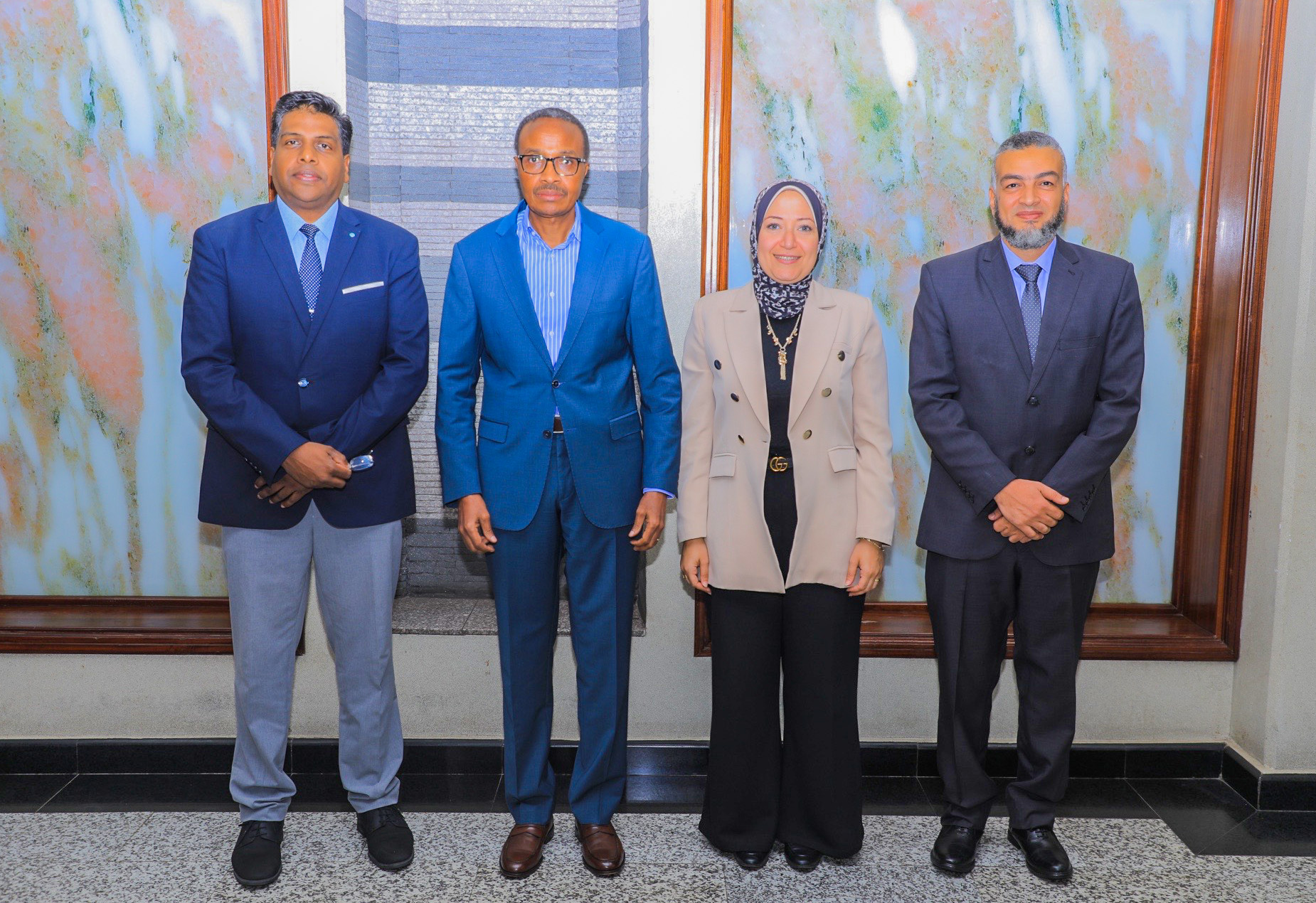
Rwanda strengthens Nuclear and Radiological Emergency preparedness with IAEA support
The Ministry in charge of Emergency Management (MINEMA) has successfully concluded a week-long workshop focused on reviewing the National Nuclear and Radiological Emergency Preparedness and Response (EPR) Plan. The workshop, held in collaboration with the International Atomic Energy Agency (IAEA), marks a significant milestone in strengthening national readiness for potential nuclear and radiological emergencies.
Minister Maj. Gen. (Rtd) Albert Murasira expressed appreciation to the IAEA experts for their technical support and guidance. Their contributions were instrumental in helping Rwanda enhance the robustness of its emergency preparedness strategy and align it with global best practices.
“This review is a key step in building our national capabilities to manage nuclear and radiological risks. With the valuable support of the IAEA and the dedication of our national institutions, we are laying a solid foundation for a safe and resilient future,” said Minister Murasira.
The review brought together key national stakeholders, ensuring a truly multisectoral approach. The revised EPR Plan integrates regulatory oversight, public health response, emergency services, and national security—providing a unified framework for effectively managing nuclear and radiological incidents.
With the review complete, the next steps include validating the plan, conducting national training for first responders and medical teams, and organizing a full-scale simulation exercise (SIMEX). These actions are essential for testing the plan’s effectiveness and strengthening emergency preparedness and national resilience.
This initiative supports the country’s broader ambition to develop peaceful nuclear technologies and reinforces its commitment to international safety and emergency response standards.
Rwanda strengthens Nuclear and Radiological Emergency preparedness with IAEA support
Rwanda strengthens Nuclear and Radiological Emergency preparedness with IAEA support
The Ministry in charge of Emergency Management (MINEMA) has successfully concluded a week-long workshop focused on reviewing the National Nuclear and Radiological Emergency Preparedness and Response (EPR) Plan. The workshop, held in collaboration with the International Atomic Energy Agency (IAEA), marks a significant milestone in strengthening national readiness for potential nuclear and radiological emergencies.
Minister Maj. Gen. (Rtd) Albert Murasira expressed appreciation to the IAEA experts for their technical support and guidance. Their contributions were instrumental in helping Rwanda enhance the robustness of its emergency preparedness strategy and align it with global best practices.
“This review is a key step in building our national capabilities to manage nuclear and radiological risks. With the valuable support of the IAEA and the dedication of our national institutions, we are laying a solid foundation for a safe and resilient future,” said Minister Murasira.
The review brought together key national stakeholders, ensuring a truly multisectoral approach. The revised EPR Plan integrates regulatory oversight, public health response, emergency services, and national security—providing a unified framework for effectively managing nuclear and radiological incidents.
With the review complete, the next steps include validating the plan, conducting national training for first responders and medical teams, and organizing a full-scale simulation exercise (SIMEX). These actions are essential for testing the plan’s effectiveness and strengthening emergency preparedness and national resilience.
This initiative supports the country’s broader ambition to develop peaceful nuclear technologies and reinforces its commitment to international safety and emergency response standards.