Newsroom
Rwanda Trains First Responders to Strengthen National Preparedness for Radiological Emergencies
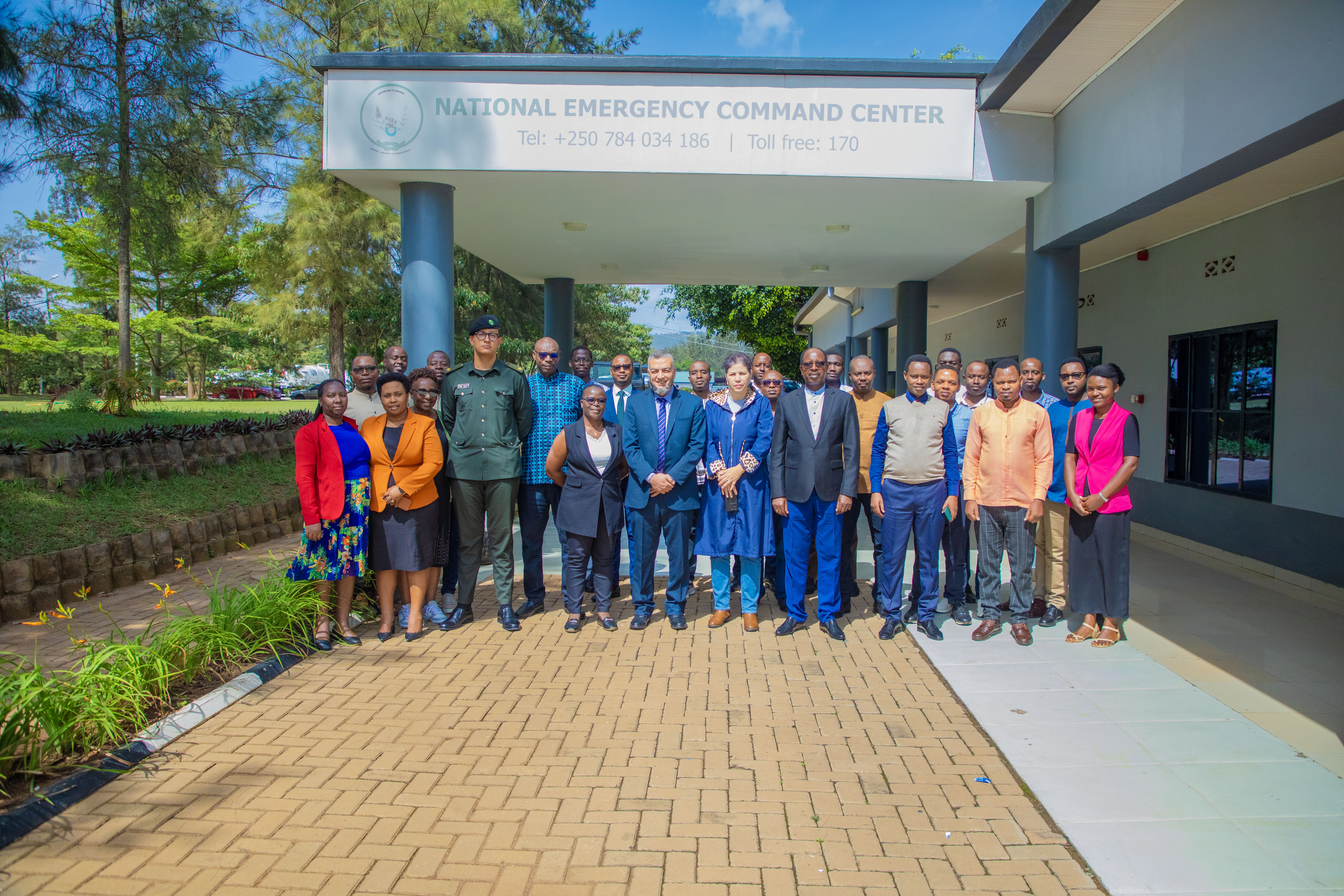
The Ministry in Charge of Emergency Management (MINEMA), in collaboration with the International Atomic Energy Agency (IAEA), has launched a five-day National Training Course for First Responders to Radiological Emergencies, taking place from 15 to 19 December 2025 at the National Emergency Command Center (NECC). The training was officially opened by ACP Egide Mugwiza, Director General for Response and Recovery Operations at MINEMA and Coordinator of the NECC.
In his opening remarks, ACP Mugwiza emphasized the importance of aligning technological advancement with strong preparedness systems. “As Rwanda expands the use of nuclear and radiological technologies across energy, healthcare, agriculture, and industry, it is essential that our preparedness and response capacities advance at the same pace. First responders are central to national safety, and their ability to rapidly assess hazards, protect the public, and coordinate effectively is critical to minimizing risk and strengthening resilience,” he stated.
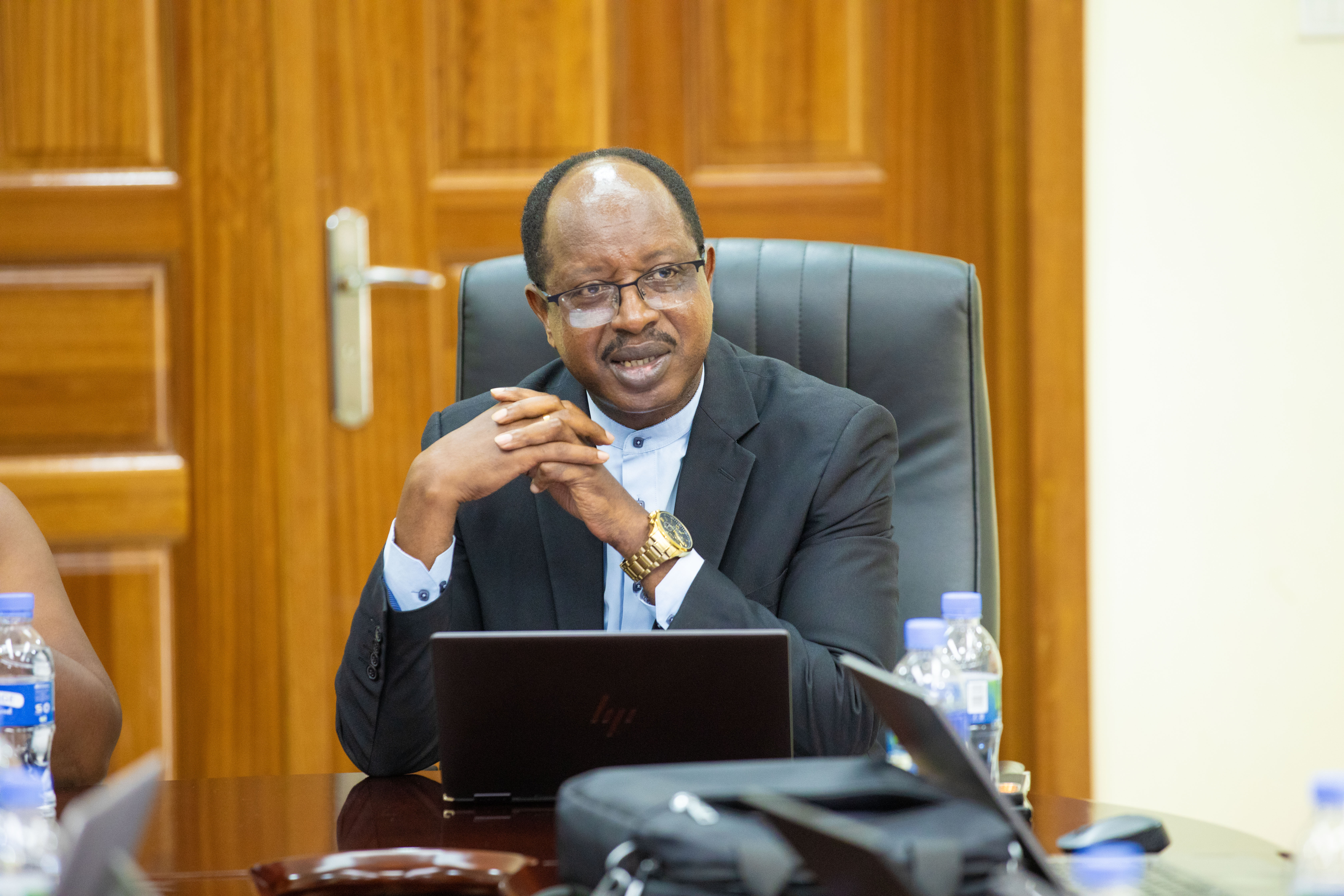
The training is designed to enhance national readiness by equipping first responders with both technical knowledge and practical skills required to manage radiological emergencies. Participants are being trained in radiation hazard assessment, establishment of cordoned areas, monitoring and decontamination procedures, crime scene and evidence management, public communication, and first medical response. The programme also includes tabletop exercises to test operational readiness and support the development of Rwanda’s National Radiological Emergency Response Manual.
The course is facilitated by two IAEA experts; Mr. Hany Abdelhay Elsanafeny from Egypt and Ms. Khadija Bendam from Morocco, and brings together participants from institutions with defined roles under the National Nuclear Emergency Preparedness and Response Plan, including MINEMA, the Rwanda National Police, Rwanda Defence Force, the Ministry of Health, regulatory authorities, and scientific institutions. This multisectoral composition reinforces coordinated and effective response during radiological incidents.
Highlighting the critical role of first responders in the earliest stages of an incident, IAEA expert Ms. Khadija Bendam noted, “The first minutes and hours of a radiological emergency are decisive. The actions taken by first responders; their decisions, coordination, and ability to work seamlessly across agencies, can significantly reduce consequences, protect communities and strengthen national resilience.”
MINEMA expressed its appreciation to the IAEA for its continued technical support and partnership, which contributes to Rwanda’s compliance with international safety standards. Through this training, Rwanda reaffirms its commitment to ensuring that technological progress is matched with robust preparedness, effective coordination, and the protection of its population and environment.
Rwanda Trains First Responders to Strengthen National Preparedness for Radiological Emergencies
The Ministry in Charge of Emergency Management (MINEMA), in collaboration with the International Atomic Energy Agency (IAEA), has launched a five-day National Training Course for First Responders to Radiological Emergencies, taking place from 15 to 19 December 2025 at the National Emergency Command Center (NECC). The training was officially opened by ACP Egide Mugwiza, Director General for Response and Recovery Operations at MINEMA and Coordinator of the NECC.
In his opening remarks, ACP Mugwiza emphasized the importance of aligning technological advancement with strong preparedness systems. “As Rwanda expands the use of nuclear and radiological technologies across energy, healthcare, agriculture, and industry, it is essential that our preparedness and response capacities advance at the same pace. First responders are central to national safety, and their ability to rapidly assess hazards, protect the public, and coordinate effectively is critical to minimizing risk and strengthening resilience,” he stated.
The training is designed to enhance national readiness by equipping first responders with both technical knowledge and practical skills required to manage radiological emergencies. Participants are being trained in radiation hazard assessment, establishment of cordoned areas, monitoring and decontamination procedures, crime scene and evidence management, public communication, and first medical response. The programme also includes tabletop exercises to test operational readiness and support the development of Rwanda’s National Radiological Emergency Response Manual.
The course is facilitated by two IAEA experts; Mr. Hany Abdelhay Elsanafeny from Egypt and Ms. Khadija Bendam from Morocco, and brings together participants from institutions with defined roles under the National Nuclear Emergency Preparedness and Response Plan, including MINEMA, the Rwanda National Police, Rwanda Defence Force, the Ministry of Health, regulatory authorities, and scientific institutions. This multisectoral composition reinforces coordinated and effective response during radiological incidents.
Highlighting the critical role of first responders in the earliest stages of an incident, IAEA expert Ms. Khadija Bendam noted, “The first minutes and hours of a radiological emergency are decisive. The actions taken by first responders; their decisions, coordination, and ability to work seamlessly across agencies, can significantly reduce consequences, protect communities and strengthen national resilience.”
MINEMA expressed its appreciation to the IAEA for its continued technical support and partnership, which contributes to Rwanda’s compliance with international safety standards. Through this training, Rwanda reaffirms its commitment to ensuring that technological progress is matched with robust preparedness, effective coordination, and the protection of its population and environment.