Rwanda Tests Flood and Drought Anticipatory Action Frameworks Through Multi-Hazard Simulation Exercise

Karongi, 28 September 2026 — Rwanda has launched a five-day Inter-Cluster Multi-Hazard Simulation Exercise (SIMEX) in Karongi District to test and strengthen the country’s capacity to anticipate and respond to flood and drought risks before they escalate into emergencies.
The exercise, officially opened by ACP Egide MUGWIZA, Director General of Response and Recovery Operations at the Ministry in charge of Emergency Management (MINEMA), brings together around 60 participants from national emergency clusters, district authorities, government institutions, UN agencies, international and national organisations, and humanitarian partners. The exercise is being conducted in collaboration with FAO, WFP, IFRC and Rwanda Red Cross under the Anticipatory Action ECHO Great Lakes Project.
The SIMEX is taking place as Rwanda prepares for the September–December 2026 rainy season, for which forecasts indicate above-normal rainfall across much of the country, while some areas, particularly in the Eastern Province, may experience relatively lower rainfall and potential water stress. The anticipated El Niño conditions present a dual risk, with increased potential for floods, landslides, erosion and damage to crops and infrastructure in wetter areas, while areas receiving less rainfall may face dry spells and related impacts.
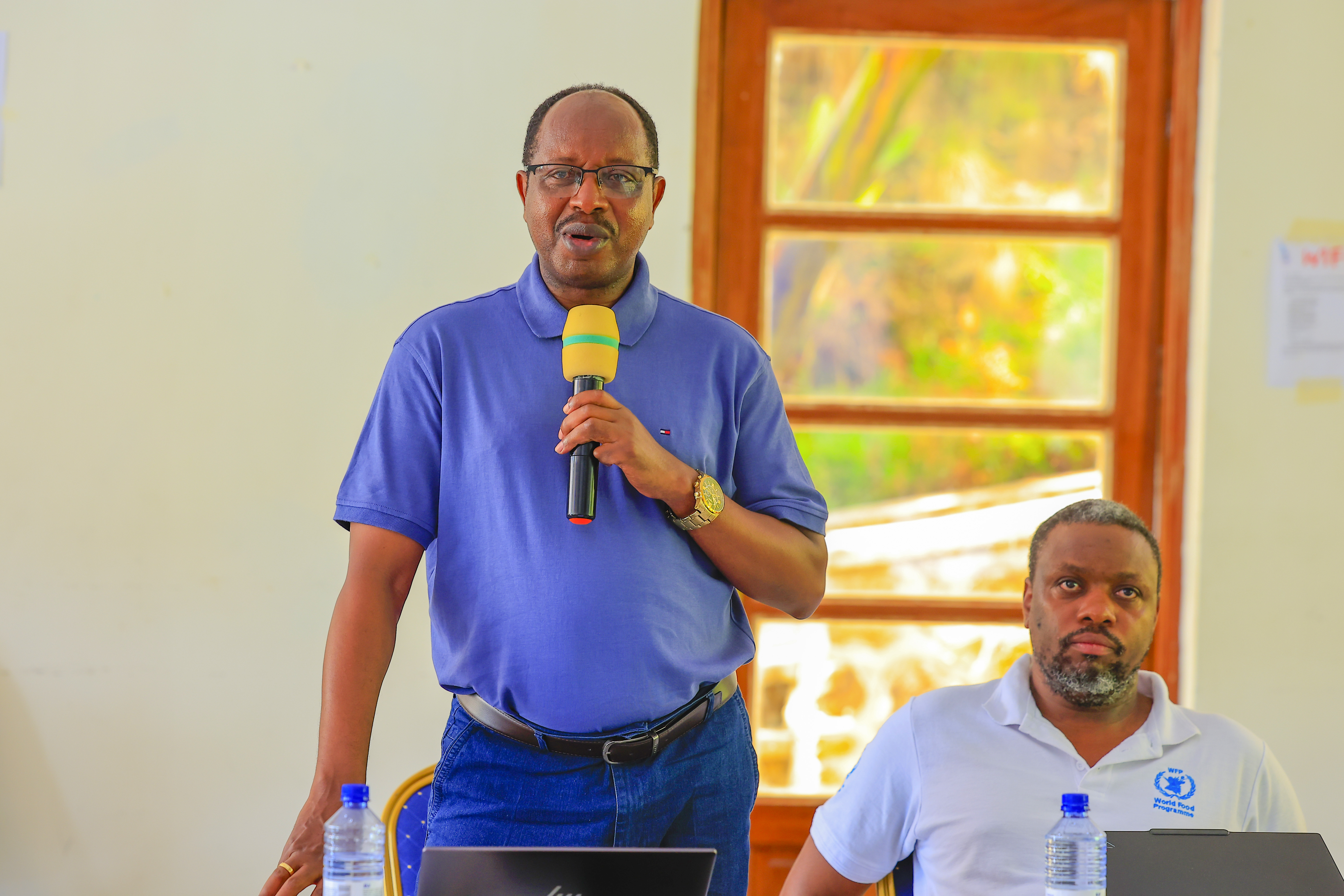
Speaking at the opening, ACP Egide MUGWIZA said the exercise provides an opportunity to ensure that forecasts and early warnings are translated into concrete actions before disasters occur.
“This simulation exercise is timely and necessary to ensure that forecasts are not only produced, but translated into actionable triggers that enable anticipatory measures to be taken before hazards escalate.”
The five-day exercise is designed to rigorously test Rwanda’s Flood and Drought Anticipatory Action Frameworks, including hazard thresholds, trigger activation procedures, coordination pathways, early warning dissemination and the operational feasibility of anticipatory actions. It is also assessing how information moves from monitoring and forecasting institutions through decision-making structures to the actors responsible for delivering assistance and protective measures at community level.

Through practical scenarios, participants are testing the full chain from monitoring and risk analysis to early warning, decision-making and anticipatory action. The exercise seeks to validate the thresholds used to determine when action should be triggered, test institutional roles and interfaces, and assess whether decisions can be made and implemented quickly enough to reduce the impacts of anticipated hazards.
For Rwanda, the exercise provides an opportunity to strengthen the link between early warning and early action, ensuring that risk information is used not only to understand potential hazards, but also to support timely decisions and measures that can protect lives, livelihoods and communities before impacts become severe.
ACP Egide MUGWIZA called on participants to use the exercise as a collective learning opportunity and to contribute to strengthening Rwanda’s disaster management architecture.
“This is not about individual performance, but about collective system learning. I encourage all participants to challenge assumptions, share your views openly, and identify the gaps that need to be addressed so that our frameworks, coordination mechanisms and anticipatory actions become stronger and more effective.”
The exercise is expected to produce practical outputs, including validated triggers and thresholds, improved understanding of institutional roles, simulated executive decision orders, tailored early warning messages, resource-matching approaches and recommendations for strengthening the operationalisation of the Flood and Drought Anticipatory Action Frameworks.
The exercise will conclude with an After-Action Review, documenting lessons, operational gaps and recommendations to improve coordination, communication, decision-making and the timely delivery of anticipatory actions.

Rwanda Begins Handover of New Homes to Disaster-Affected Families
Rwanda has continued to restore safe and resilient housing for families affected by disasters, with thousands of homes constructed or rehabilitated as…

Rwanda Advances Efforts to Turn Early Warnings into Timely Action
Rwanda is strengthening efforts to ensure that weather and climate information leads to timely, coordinated and inclusive action at local level, as…

Inter-Camps Tournament 2026: Sport Unites Refugees, Showcases Talent and Opens Pathways to Self-Reliance
The fourth edition of the Inter-Camps Tournament concluded in Mahama Refugee Camp with a vibrant celebration of sport, talent and community cohesion,…

Rwanda Mobilises Communities to Prevent and Reduce Disaster Risks Ahead of the 2026 Rainy Season
Communities across Rwanda have been mobilised to strengthen disaster preparedness and reduce the potential impacts of heavy rainfall expected during…

Rwanda Advances Climate and Disaster Risk Analytics Through GRMA Technical Workshop
The Ministry in Charge of Emergency Management (MINEMA), in partnership with the Global Risk Modelling Alliance (GRMA) and the Global Shield Solutions…

MINEMA Strengthens Rwanda’s Preparedness for CBRN Emergencies Through Tabletop Exercise
The Ministry in Charge of Emergency Management (MINEMA), in collaboration with the European Union Chemical, Biological, Radiological and Nuclear…
MINEMA and World Bank Strengthen Emergency Financing Preparedness Through Simulation Exercise
The Ministry in Charge of Emergency Management (MINEMA), in partnership with the World Bank, conducted a two-day Tabletop Simulation Exercise for…
Rwanda Welcomes 177 Asylum Seekers Evacuated from Libya
Rwanda in partnership with the United Nations Refugee Agency (UNHCR), has welcomed 177 asylum seekers evacuated from Libya, marking the 24th group…

Minister Murasira Calls for Citizen-Centred Service Delivery in Nyaruguru District
On Friday, July 31, 2026, the Minister in Charge of Emergency Management, Maj. Gen. (Rtd) Albert Murasira, who also serves as the Government…