Rwanda Explores Transition from Refugee Camps to Integrated Settlements
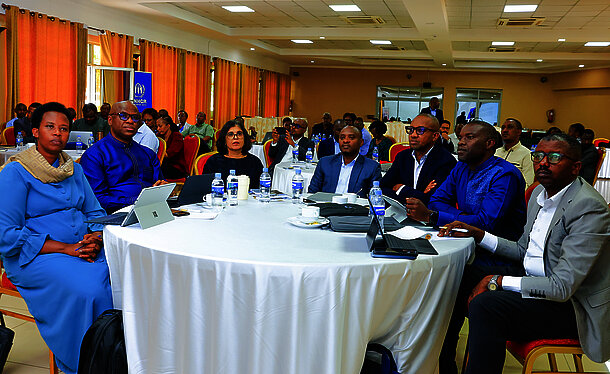
Kigali, 21 October 2026 — Rwanda’s Ministry in charge of Emergency Management (MINEMA), in partnership with the United Nations High Commissioner for Refugees (UNHCR), convened a stakeholder workshop to present and discuss findings of a feasibility study on transitioning from traditional refugee camps to integrated and resilient settlements in Rwanda.
The workshop brought together government institutions, UN agencies, humanitarian and development partners, and other stakeholders to review the study’s findings, assess proposed settlement models, and discuss the policy, institutional and financing arrangements needed to advance the transition.
As of August 2026, Rwanda hosted more than 140,000 refugees and asylum seekers, primarily from the Democratic Republic of the Congo and Burundi. Although the country’s legal framework provides refugees with the right to work and freedom of movement, approximately 91% continue to live in camp settings and remain largely dependent on humanitarian assistance.
Speaking at the workshop, Innocent Mugabe, Coordinator of the Single Projects Unit at MINEMA, said the initiative reflects Rwanda’s commitment to identifying sustainable approaches that promote refugee inclusion, self-reliance and peaceful coexistence with host communities.
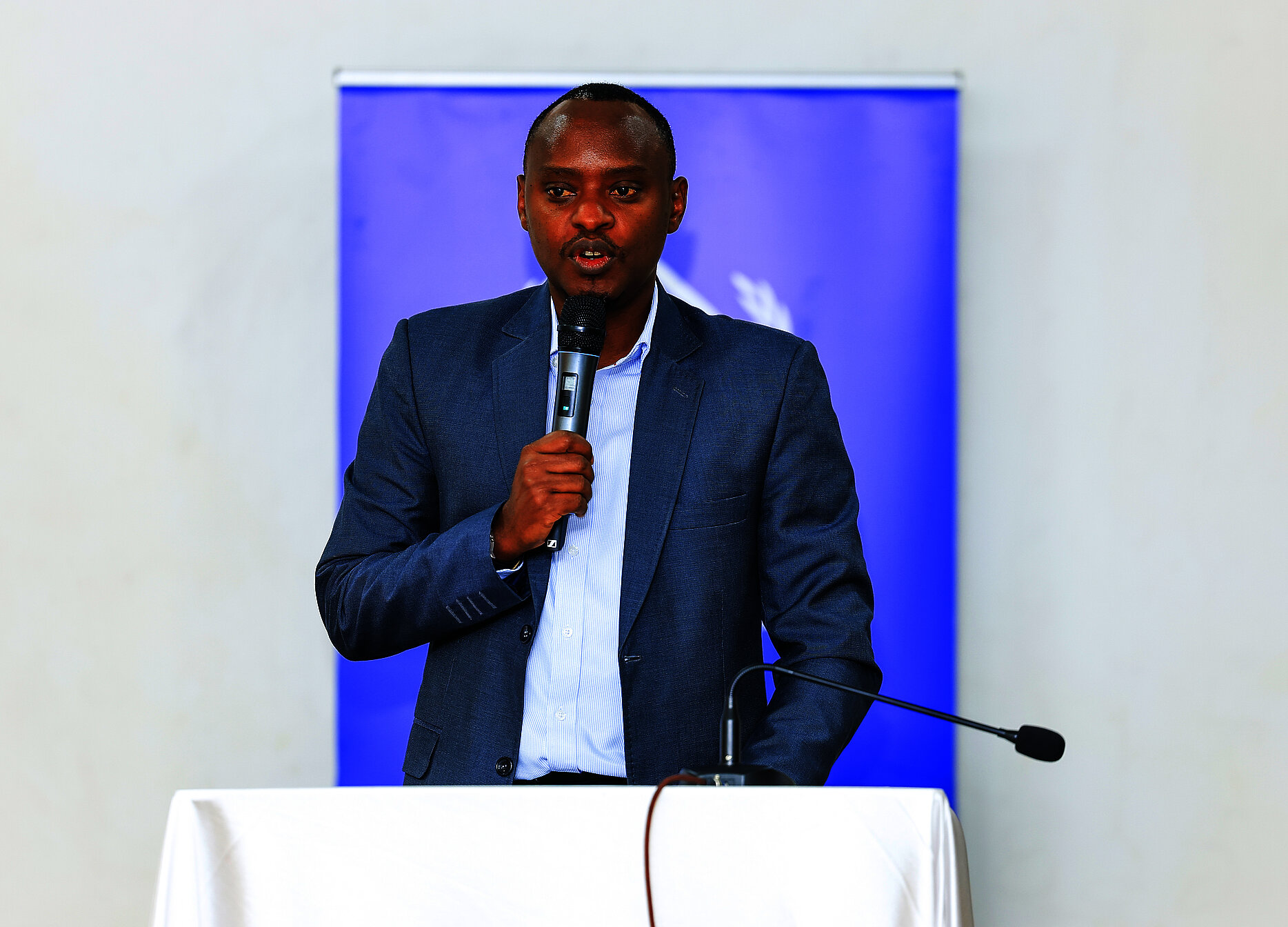
“Exploring this transition is not simply a matter of changing the physical arrangements in which refugees live. It is an opportunity to examine how planning, service delivery, livelihoods, infrastructure, environmental management and community development can be better integrated into national and local development systems,” Mugabe said.
He emphasized that integrated settlements could strengthen refugees’ access to public services and economic opportunities while ensuring that host communities also benefit from related investments and development programmes. He further called for careful, progressive planning, meaningful consultation and coordinated action among government institutions, UNHCR, development partners, the private sector, refugees and host communities.
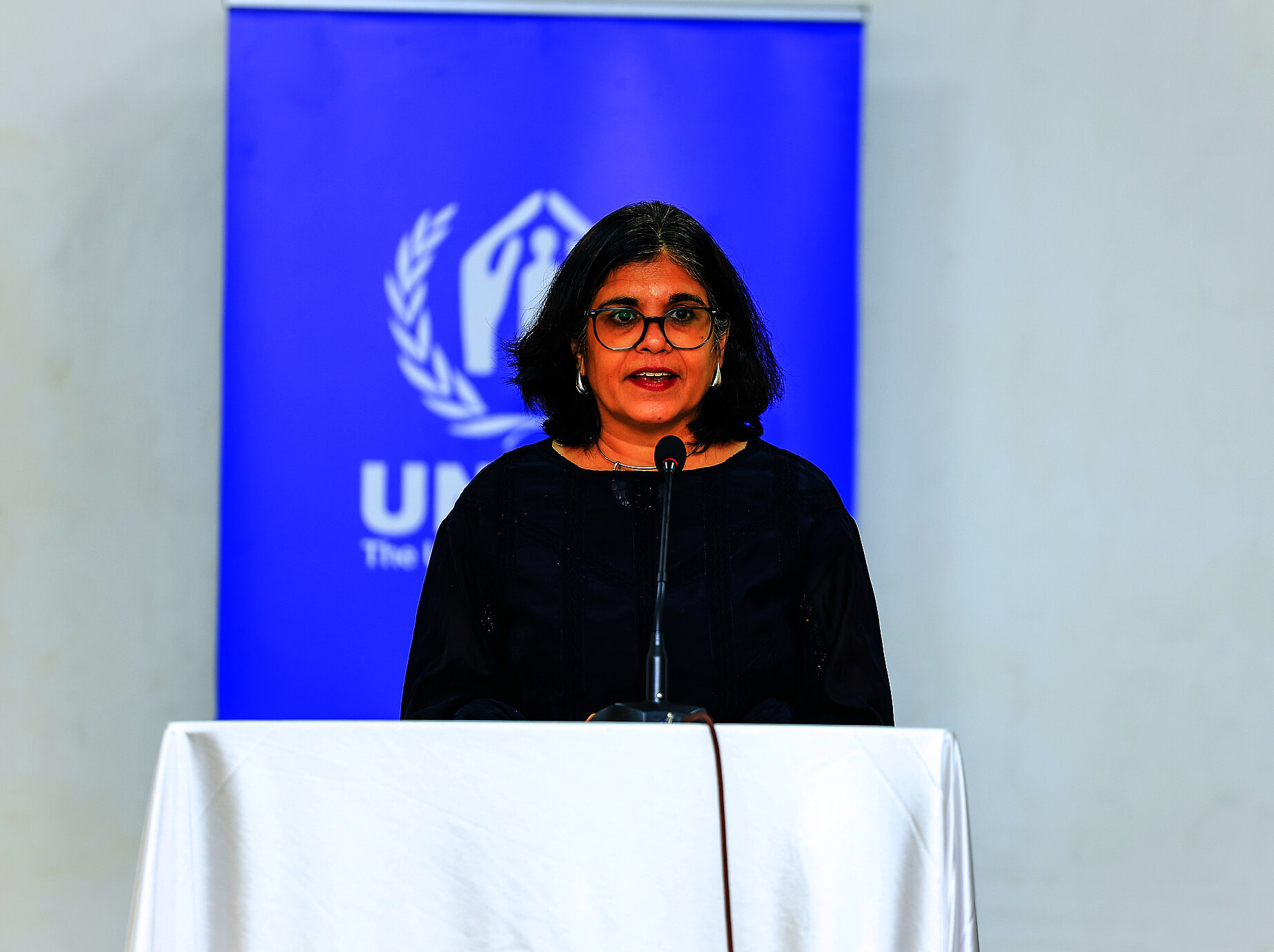
Ritu Shroff, UNHCR Rwanda Country Representative, also highlighted the importance of working together to identify practical and sustainable solutions that enable refugees to become more self-reliant and participate in the social and economic life of their host communities.
The study was commissioned by MINEMA and UNHCR and conducted by Enviro-Climate Nexus Knowledge Hub Solutions Ltd. It builds on discussions held during an internal brainstorming workshop in July 2025, when stakeholders identified key conditions that could enable the transition, including Rwanda’s inclusive legal framework and access to integrated services. Participants recommended a comprehensive study to assess these conditions, identify suitable settlement models and estimate the associated costs.
The initiative builds on Rwanda’s commitment, announced during the 2024 UNHCR Executive Committee meeting, to explore the feasibility of moving from traditional camp-based arrangements towards integrated and resilient settlements. It also aligns with the Global Compact on Refugees and Rwanda’s pledges at the 2019 and 2023 Global Refugee Forums.
The transition is expected to strengthen the links between humanitarian assistance and national development systems, reduce long-term dependence on humanitarian aid, and expand access to livelihoods, financial services, education, healthcare and other essential services for refugees and host communities.
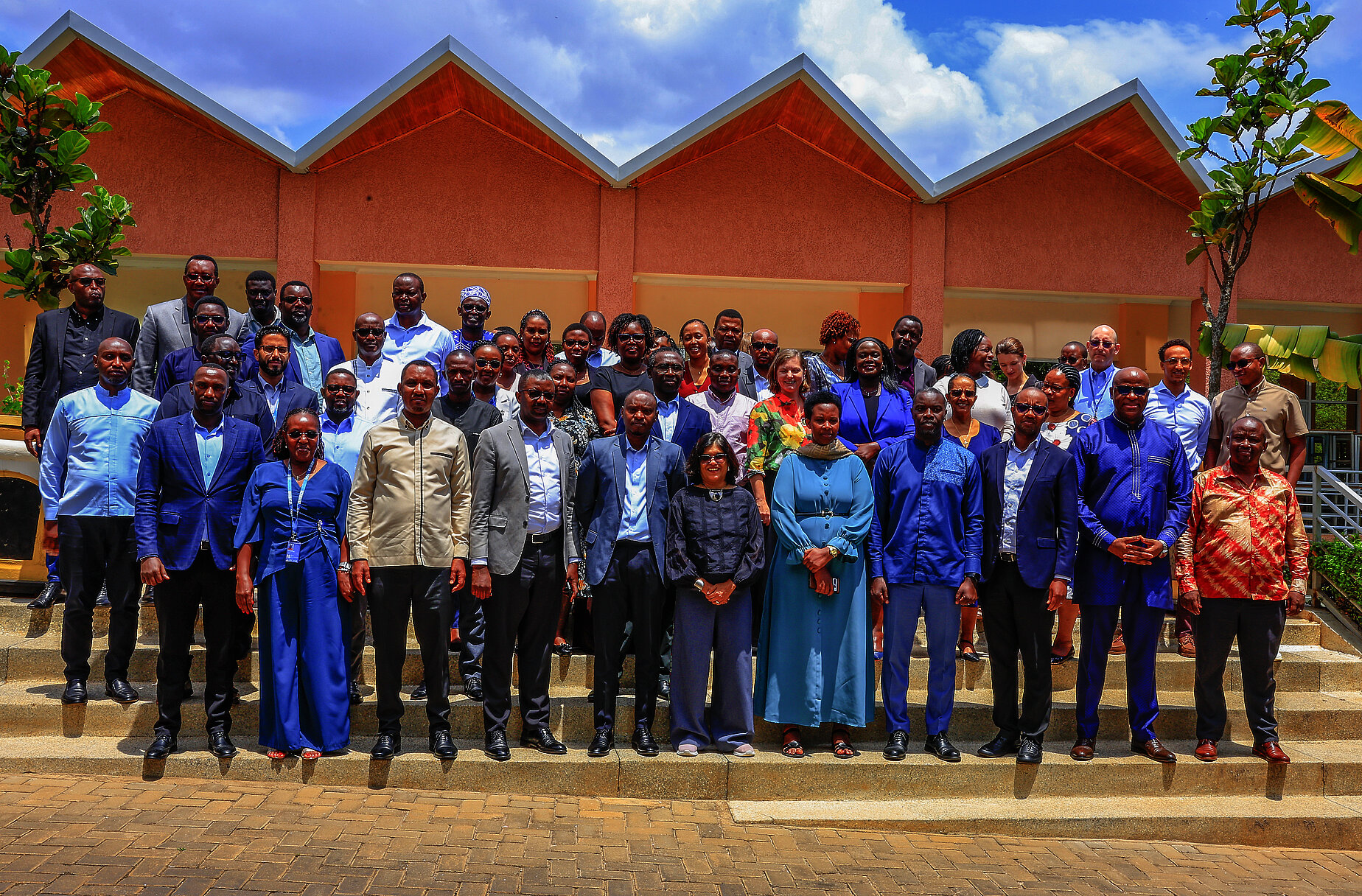
Discussions during the workshop focused on validating the study’s findings, evaluating the proposed settlement models, identifying opportunities and challenges, and examining possible funding sources. Stakeholders were also expected to clarify institutional responsibilities and identify potential pilot locations, key actors and timelines for the next steps.
The process will be guided by the Government of Rwanda’s Refugee Sustainable Graduation Strategy (2025–2030), which aims to progressively reduce refugee households’ dependence on humanitarian assistance by improving access to livelihoods, financial services and national systems.
The workshop marks a step towards translating the feasibility study into practical decisions and coordinated action, with the aim of advancing inclusive, resilient and sustainable solutions for refugees and the communities hosting them.
Rwanda Hands Over 870 Houses to Families Affected by 2023 Disasters
Rubavu, 22 October 2026 — The Ministry in charge of Emergency Management (MINEMA) has handed over 870 houses to households affected by the May 2023…

Rwanda Begins Handover of New Homes to Disaster-Affected Families
Rwanda has continued to restore safe and resilient housing for families affected by disasters, with thousands of homes constructed or rehabilitated as…

Rwanda Tests Flood and Drought Anticipatory Action Frameworks Through Multi-Hazard Simulation Exercise
Karongi, 28 September 2026 — Rwanda has launched a five-day Inter-Cluster Multi-Hazard Simulation Exercise (SIMEX) in Karongi District to test and…

Rwanda Advances Efforts to Turn Early Warnings into Timely Action
Rwanda is strengthening efforts to ensure that weather and climate information leads to timely, coordinated and inclusive action at local level, as…

Inter-Camps Tournament 2026: Sport Unites Refugees, Showcases Talent and Opens Pathways to Self-Reliance
The fourth edition of the Inter-Camps Tournament concluded in Mahama Refugee Camp with a vibrant celebration of sport, talent and community cohesion,…

Rwanda Mobilises Communities to Prevent and Reduce Disaster Risks Ahead of the 2026 Rainy Season
Communities across Rwanda have been mobilised to strengthen disaster preparedness and reduce the potential impacts of heavy rainfall expected during…

Rwanda Advances Climate and Disaster Risk Analytics Through GRMA Technical Workshop
The Ministry in Charge of Emergency Management (MINEMA), in partnership with the Global Risk Modelling Alliance (GRMA) and the Global Shield Solutions…

MINEMA Strengthens Rwanda’s Preparedness for CBRN Emergencies Through Tabletop Exercise
The Ministry in Charge of Emergency Management (MINEMA), in collaboration with the European Union Chemical, Biological, Radiological and Nuclear…
MINEMA and World Bank Strengthen Emergency Financing Preparedness Through Simulation Exercise
The Ministry in Charge of Emergency Management (MINEMA), in partnership with the World Bank, conducted a two-day Tabletop Simulation Exercise for…